
"produced in Brazil"
10000 article(s) found

Brazil is mired in severe drought and coffee production has fallen sharply.
According to foreign media reports, since the beginning of this year, Brazil, the world's largest coffee producer, has suffered a severe drought, the Brazilian coffee growing industry has been hit, and production is expected to fall sharply. Since January, the rainfall in Brazil's main coffee producing areas has been only half of the historical average. Research shows that the continuous drought in Brazil this year is the worst anomaly since the black ice phenomenon hit Brazil in 1975.

Characteristics of Coffee in Brazil Coffee production area introduction and Flavor of Solar Datra Alamosa Coffee
Coffee flavor characteristics of Brazil Syracuse famous producing area of Brazil is located in the southern state of Parana and is famous for its exquisite quality. Hirado producing area (Cerrado Coffee Region) is about 1000m above sea level, with distinct dry and wet seasons, annual average temperature of about 21 degrees, fertile soil and rich minerals, so that the coffee beans can get adequate nutrition. It is unique among many producing areas in Brazil.

Is Brazilian coffee good? what kind of Brazilian coffee do you have?
A brief introduction to Brazilian Coffee Brazilian coffee generally refers to coffee produced in Brazil. There are many kinds of Brazilian coffee. Like other Arabica coffee, Brazilian coffee is called Brazilian coffee Brazils to distinguish it from Milds coffee. The vast majority of Brazilian coffee is unwashed and sun-dried and is classified according to the name of the state of origin and port of transport. Brazil has 21 states and 17 states produce coffee

Brazilian Coffee with mellow Flavor: introduction to Brazilian Fine Coffee
Brazilian coffee generally refers to coffee produced in Brazil. There are many kinds of coffee in Brazil. Like other Arabica coffee, Brazilian coffee is called Brazilian coffee Brazils to distinguish it from Milds coffee. The vast majority of Brazilian coffee is unwashed and sun-dried and is classified according to the name of the state of origin and port of transport. Brazil has 21 states and 17 states produce coffee, but among them
Vista Allegre Manor Brazilian Coffee generally refers to coffee produced in Brazil
Brazilian coffee generally refers to coffee produced in Brazil. There is a wide variety of Brazilian coffee, the vast majority of which are unwashed and sun-dried, classified according to the name of the state of origin and the port of transport. Brazil has 21 states and 17 states produce coffee, but four of them produce the largest, accounting for 98% of the country's total output. Brazilian coffee has a low sour taste, which goes well with coffee.

Introduction of Brazilian boutique coffee bean manor with low acidity and moderate bitterness
Brazilian coffee generally refers to coffee produced in Brazil. There are many kinds of coffee in Brazil. Like other Arabica coffee, Brazilian coffee is called Brazilian coffee Brazils to distinguish it from Milds coffee. The vast majority of Brazilian coffee is unwashed and sun-dried and is classified according to the name of the state of origin and port of transport. Brazil has 21 states and 17 states produce coffee, but among them
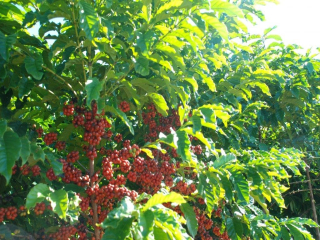
Flavor characteristics of Coffee beans in Hilado, Brazil; suggestion on water temperature ratio parameters of hand-brewing Brazilian coffee
Professional coffee knowledge exchange more coffee bean information please pay attention to the coffee workshop (Wechat official account cafe_style) the flavor and taste characteristics of Hillado Coffee in Brazil? How do you drink coffee from the Hiladow region of Brazil? Brazil has always been the largest producer of coffee beans, with a total annual output of about 2.7 million metric tons, accounting for

Introduction to the flavor and taste characteristics of moderately roasted Brazilian boutique coffee beans
Brazilian coffee generally refers to coffee produced in Brazil. There are many kinds of coffee in Brazil. Like other Arabica coffee, Brazilian coffee is called Brazilian coffee Brazils to distinguish it from Milds coffee. The vast majority of Brazilian coffee is unwashed and sun-dried and is classified according to the name of the state of origin and port of transport. Brazil has 21 states and 17 states produce coffee, but among them

How about Brazilian coffee? what kind of coffee beans are produced in Brazil? which coffee beans are good in Brazil?
Professional coffee knowledge exchange more coffee bean information please follow the coffee workshop (Wechat official account cafe_style) Brazil is the world's largest coffee producer and exporter, producing an astonishing 2.6 million tons of coffee every year. The main origin of this coffee is the Brazilian state of Minas Gerais (Minas Gerais). In fact, nearly 50% of the country's agricultural products come from Minas Gerais.

Introduction to the characteristics of Brazilian Coffee Flavor and Fruit Coffee beans
Although coffee is diverse, Brazilian coffee is suitable for the taste of the public. For example, coffee produced in the northern coastal areas has a typical iodine taste, reminiscent of the sea after drinking. This coffee is exported to North America, the Middle East and Eastern Europe. Another kind of coffee that is interesting and worth looking for is washed Bahia coffee. This kind of coffee is not easy to find, because after the United States
Coffee producing areas in Brazil
Brazil is vividly compared to the "giant" and "monarch" of the coffee world. There are about 3.97 billion coffee trees there, and small farmers now grow 75% of the country's coffee. The number of coffee producers in Brazil is twice or even three times that of Colombia, the second largest coffee producer in the world.

Do you know the name of the best coffee in Brazil? what are the characteristics of coffee distribution in Brazil?
Professional coffee knowledge exchange more coffee bean information please pay attention to the coffee workshop (Wechat official account cafe_style) flavor characteristics: good Brazilian beans from the bourbon clock of the old coffee tree, smell a clear sweet and bitter taste, some people use extremely warm and smooth to describe the top Brazilian coffee. Because it is rich in oil, Brazilian beans have always been indispensable in the espresso formula.

Brazil is the largest coffee producer in the world.
Brazil is the largest coffee producer in the world. Although Brazil has failed to increase production in recent years, it has greatly improved the quality of coffee in the past decade, trying to get rid of the idea that Brazilian weight is not important to quality and that Brazilian beans are as light as water. In recent years, it has successfully transferred to the boutique coffee market.
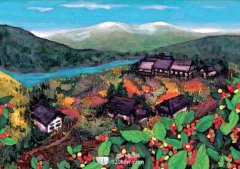
The origin of coffee beans introduces the common sense of Brazilian coffee beans
Brazilian coffee generally refers to coffee produced in Brazil. There is a wide variety of Brazilian coffee, the vast majority of which are unwashed and sun-dried, classified according to the name of the state of origin and the port of transport. Brazil has 21 states and 17 states produce coffee, but four of them produce the largest, accounting for 98% of the country's total output. Brazilian coffee has a low sour taste, which goes well with coffee.

What kind of coffee beans do you have in Brazil? what do you have in Brazil? how do you drink Brazilian coffee?
The name of Brazilian coffee: Brazil Santos 2 mentions Brazilian coffee, the most famous of which is Brazil Santos, which is called Brazil Bourbon Santos when raw coffee beans are Arabica bourbon. Santos is generally translated as Sandos and Santos in Chinese. Santos is located in the state of Sao Paulo, Brazil, a seaport city, from the state capital of Sao Paulo (Sao Pa)

What kind of coffee beans are grown in Brazil? what are the advantages of growing coffee in Brazil?
Professional coffee knowledge exchange more information about coffee beans Please follow the coffee workshop (official Wechat account cafe_style) mention the origin of coffee, the first thing people think of is Brazil in South America, because it is the largest coffee producer in the world. There are many kinds of coffee in Brazil, most of which are unwashed and sun-dried, and are classified according to the name of the state of origin and the port of transport.
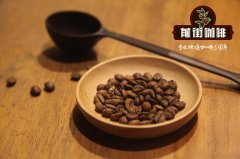
Brazil Santos coffee producing area Brazil Santos coffee has a rich, balanced and soft taste.
Professional coffee knowledge exchange more coffee bean information please follow the coffee workshop (Wechat official account cafe_style) front street-Brazil Santos coffee introduction Brazil Santos coffee, are extremely rhythmic, unrestrained and enthusiastic samba dance and group crazy, earth-shaking carnival, thoroughly integrated into the lively and cheerful, happy fate of Brazilians in the blood, it with colorful flavor

Dry drying Brazilian boutique coffee beans introduction to Brazilian coffee flavor and taste manors in Brazilian coffee producing areas
Brazilian coffee generally refers to coffee produced in Brazil. There are many kinds of coffee in Brazil. Like other Arabica coffee, Brazilian coffee is called Brazilian coffee Brazils to distinguish it from Milds coffee. The vast majority of Brazilian coffee is unwashed and sun-dried and is classified according to the name of the state of origin and port of transport. Brazil has 21 states and 17 states produce coffee, but among them
Brazilian coffee is the best coffee in Brazil.
Brazil, a low-acidity, medium-roast coffee bean from the coffee center of the world, has been figuratively compared to the giants and kings of the coffee world. There are about 3.97 billion coffee trees, and small farmers now grow 75 percent of the country's coffee. Brazil has twice or even three times as many coffee producers as Colombia, which is the world's second-largest coffee producer.
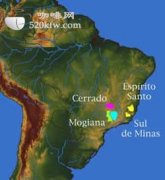
Boutique coffee beans knowledge coffee producing area Brazil
The low-acidity, moderately roasted coffee beans from the World Coffee Center are vividly compared to the giants and monarchs of the coffee world. There are about 3.97 billion coffee trees there, and small farmers now grow 75% of the country's coffee. The number of coffee producers in Brazil is twice or even three times that of Colombia, the second largest coffee producer in the world. With